
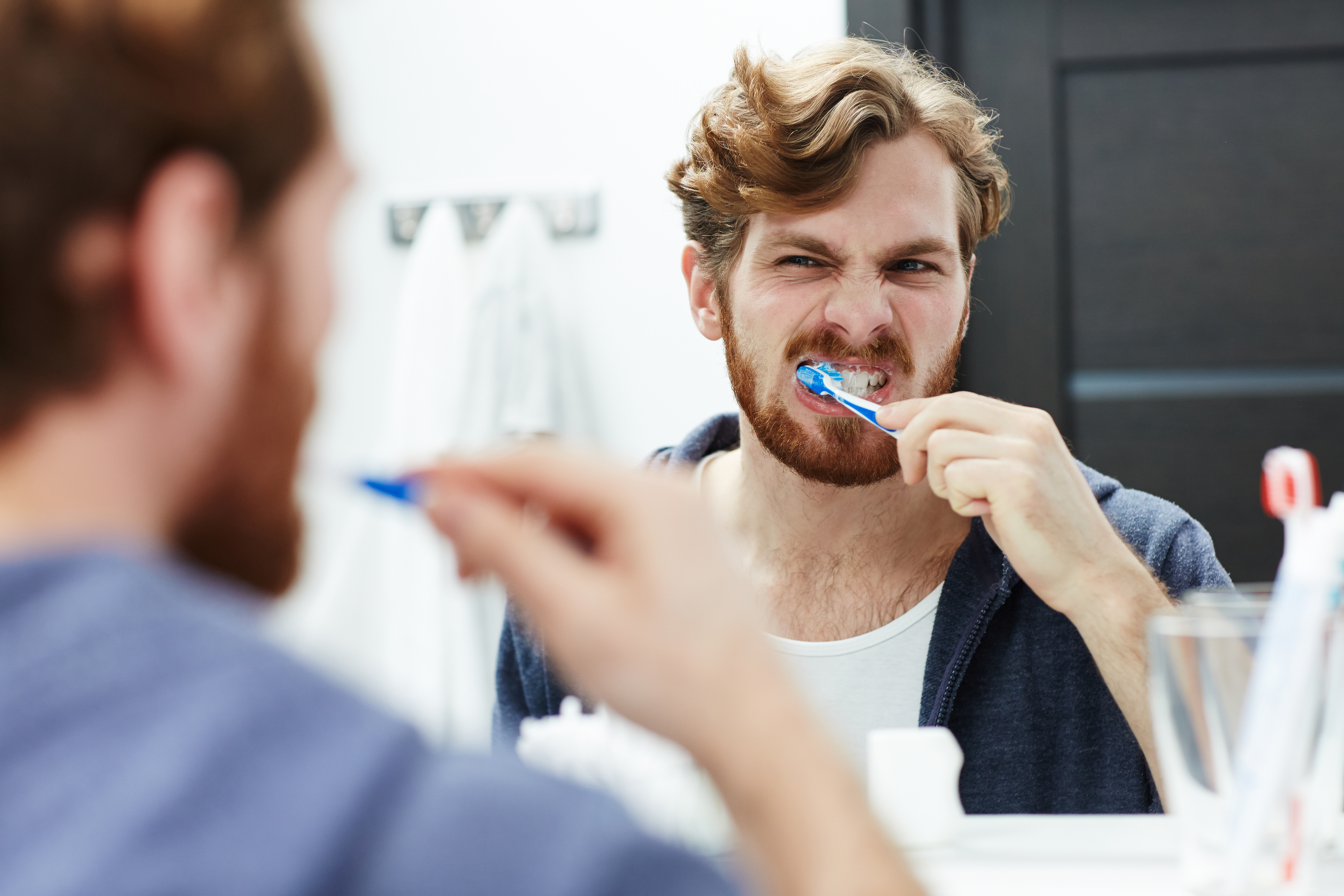
Brushing
Brush twice daily and do not rush the job.
Use a soft-bristled brush and fluoride toothpaste. Spend enough time cleaning all tooth surfaces gently, especially near the gumline where plaque commonly collects.
Good oral health starts with small, consistent habits. At Dental Specialists, we believe prevention matters just as much as treatment. This page is designed to help patients understand what to do at home, what habits to avoid, and when it is the right time to visit the dentist.
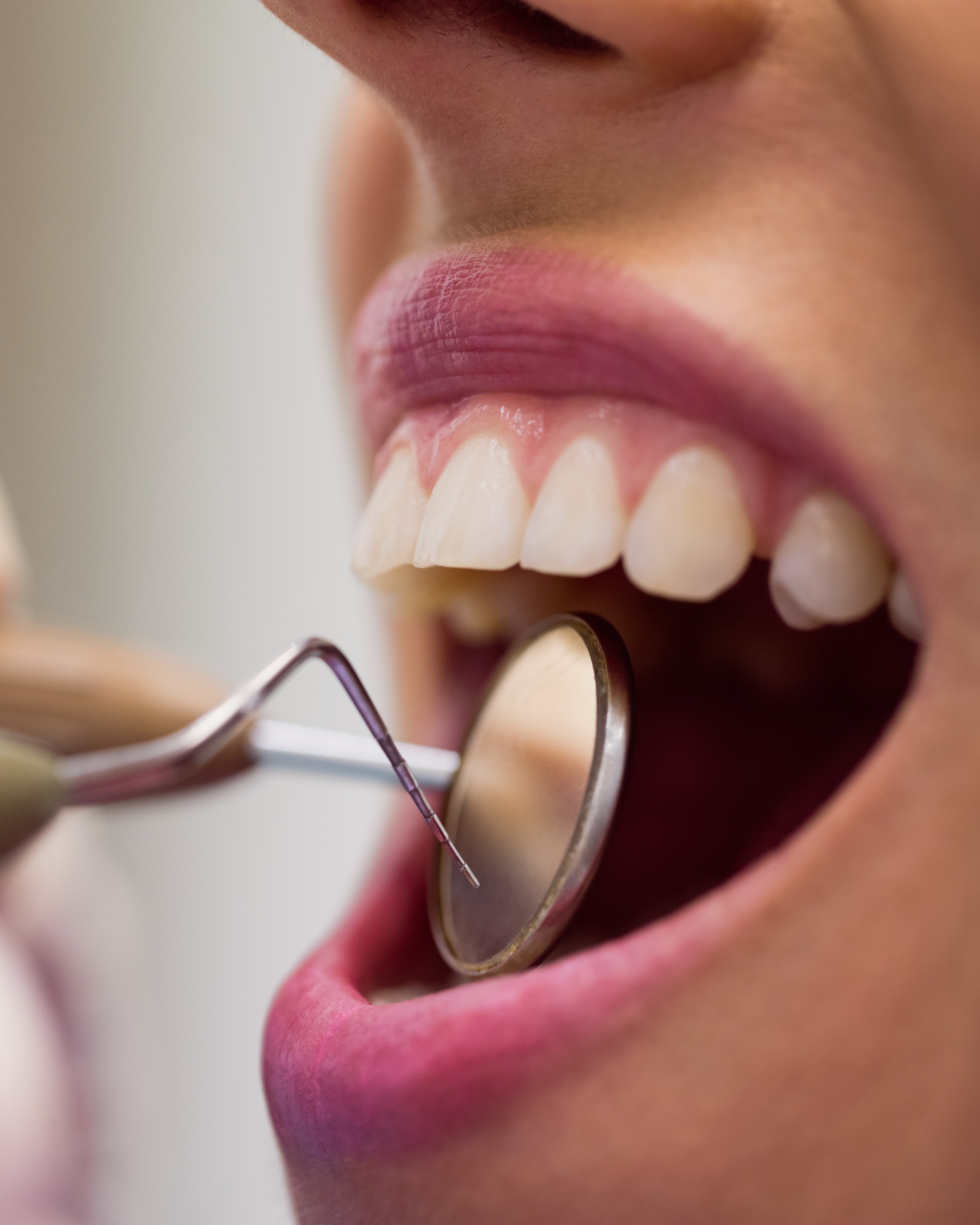
These are the basic preventive steps that help reduce plaque buildup, protect gums, and support a cleaner smile.
Use a soft-bristled brush and fluoride toothpaste. Spend enough time cleaning all tooth surfaces gently, especially near the gumline where plaque commonly collects.
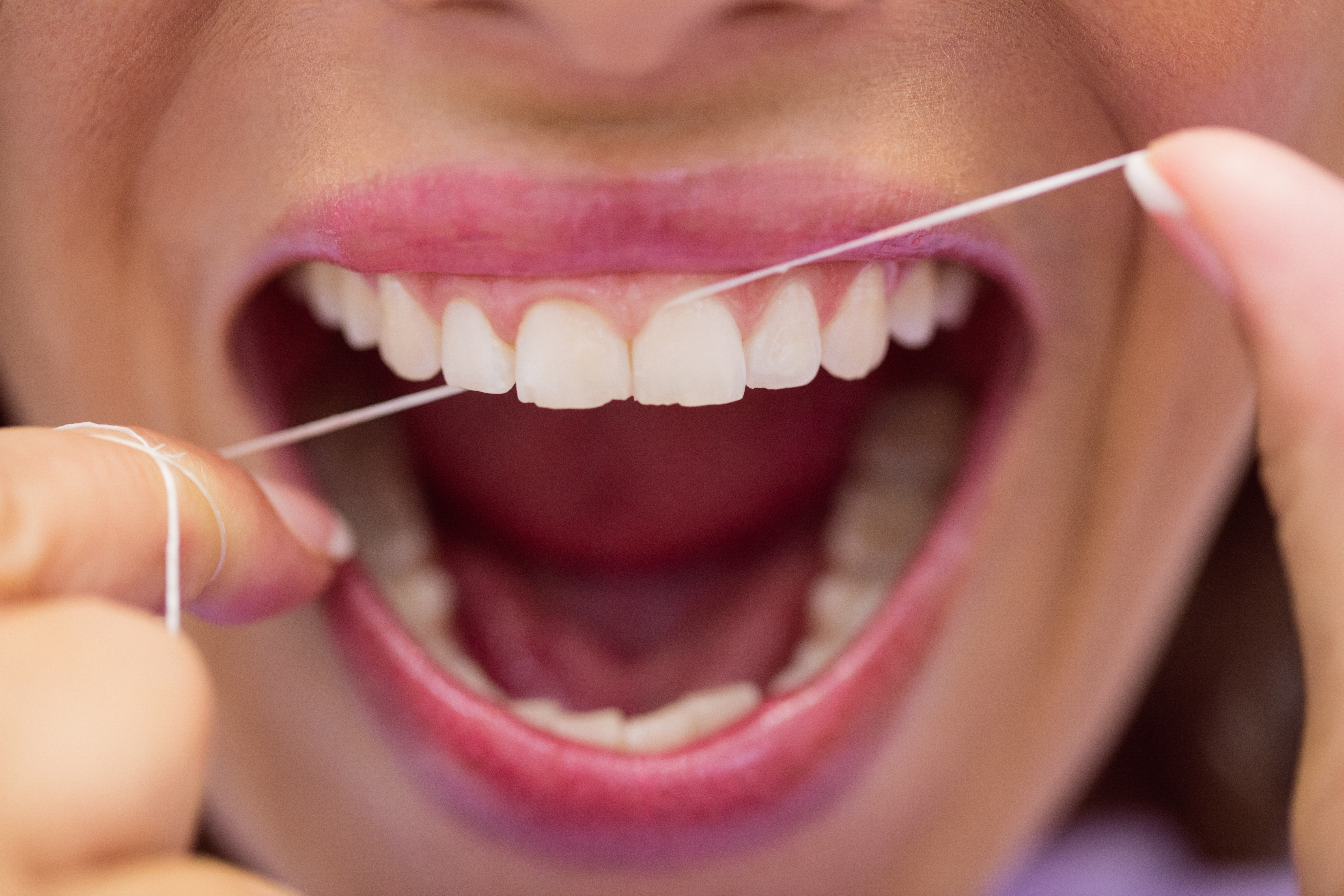
Brushing alone misses spaces between teeth. Flossing or other between-teeth cleaning methods help reduce food retention and plaque in these tighter areas.
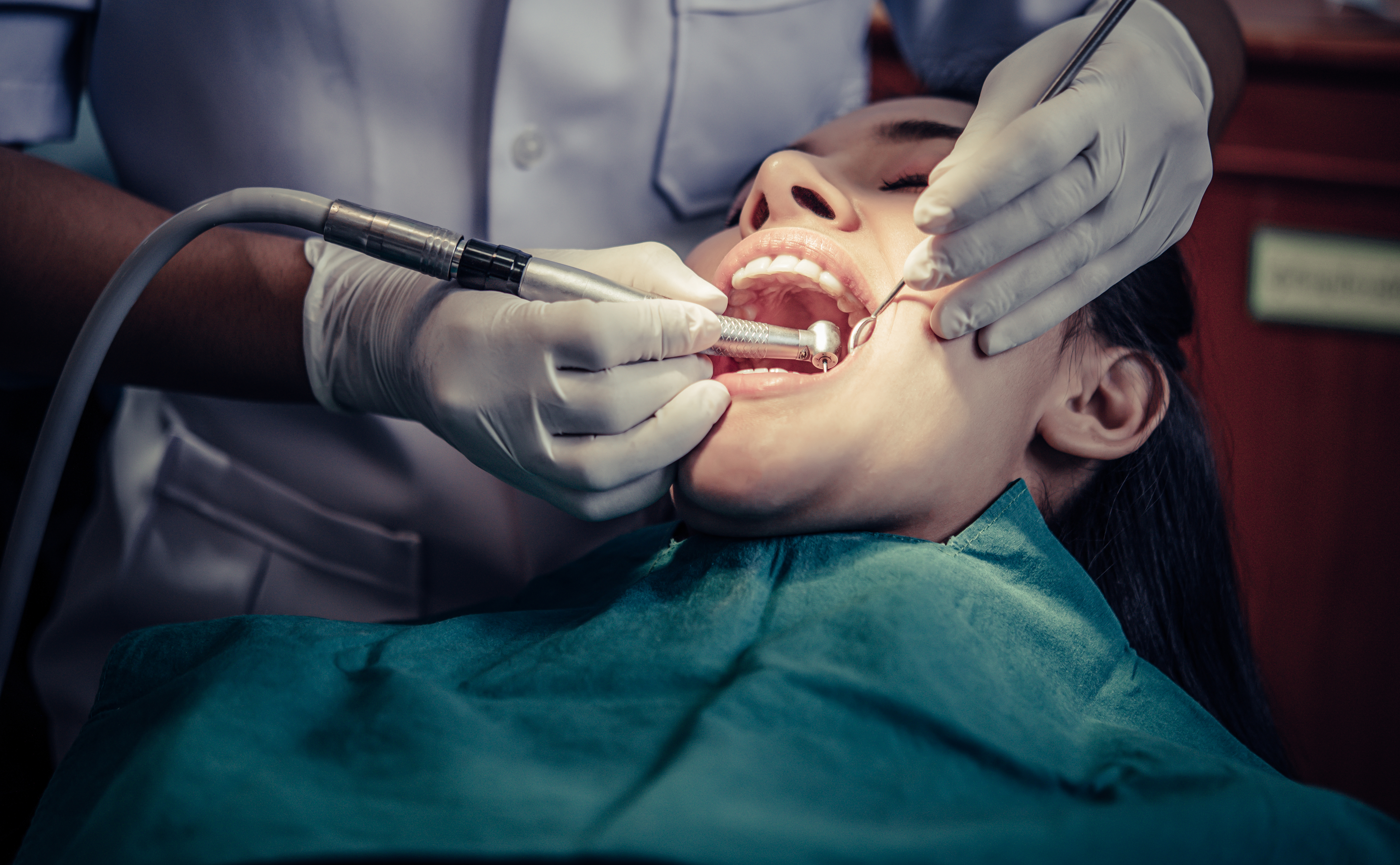
Many dental problems begin quietly. Routine examinations make it easier to catch decay, gum issues, or restoration problems before they become larger and more expensive.
Consistency matters more than perfection. Good home care helps your professional dental treatment last longer and keeps your mouth healthier between visits.
A simple routine followed every day can reduce plaque buildup and improve freshness.
Healthy gums are essential for healthy teeth. Gum irritation should never be ignored.
Tooth decay and staining are often connected to daily habits, not just brushing technique.
Water helps rinse the mouth, supports freshness, and is a much better routine choice than frequent sugary drinks.
Constant snacking keeps teeth exposed to acids and sugar more often, which can increase cavity risk over time.
Certain drinks and foods can affect tooth color. Good hygiene and professional cleaning help reduce visible staining.
Sensitivity after cold, sweet, or hot foods may signal a problem that should be checked early before it worsens.
Good habits started early are easier to maintain later. Family oral hygiene routines can improve consistency for everyone at home.
Children benefit most when oral care is supervised early and explained positively.
Orthodontic treatment, whitening goals, and cosmetic care all work better with strong daily hygiene.
Oral health problems often start with small signs. Getting checked earlier can protect the tooth, reduce discomfort, and make treatment simpler.
These quick answers help patients understand the basics of prevention and when professional care becomes important.
You should brush at least twice a day using a soft-bristled toothbrush and fluoride toothpaste. Brushing before bed is especially important.
Bleeding gums may be a sign of plaque buildup, gum irritation, or poor cleaning habits. A dental examination can help identify the cause and the right next step.
The ideal cleaning interval depends on your oral condition, gum health, and how much plaque or buildup you develop over time.
Routine checkups are important even without pain because many problems begin silently and are much easier to treat when found earlier.
Contact Dental Specialists for a professional consultation, preventive checkup, cleaning guidance, and treatment planning in DHA Phase 6 Lahore.